
Powered By


Because multiple sclerosis (MS) is a chronic disease, managing the condition comes with the territory. This may mean different things for different people, depending on which treatments they use and whether they add complementary therapies to their medication regimen. MyMSTeam recently sat down with Jenny Gattone, a member who spoke with us about the twists and turns of her treatment journey.
Jenny is a screenwriter who lives in the Los Angeles area. After she was diagnosed with relapsing-remitting multiple sclerosis (RRMS), she began sharing her story with others who can identify with the ups and downs of life with MS.
Hitting My RRMS From All Sides
After Jenny was diagnosed with relapsing-remitting multiple sclerosis, she began sharing her story with others who can identify with the ups and downs of life with MS.
Watch More Videos From Jenny
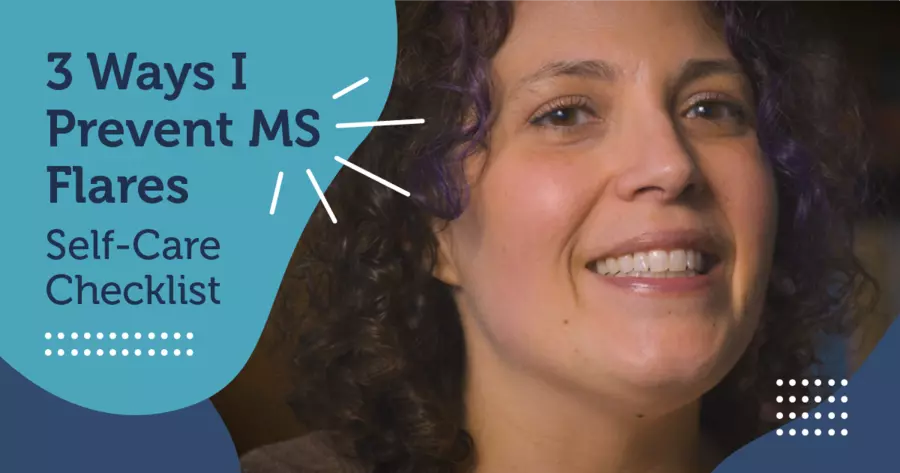
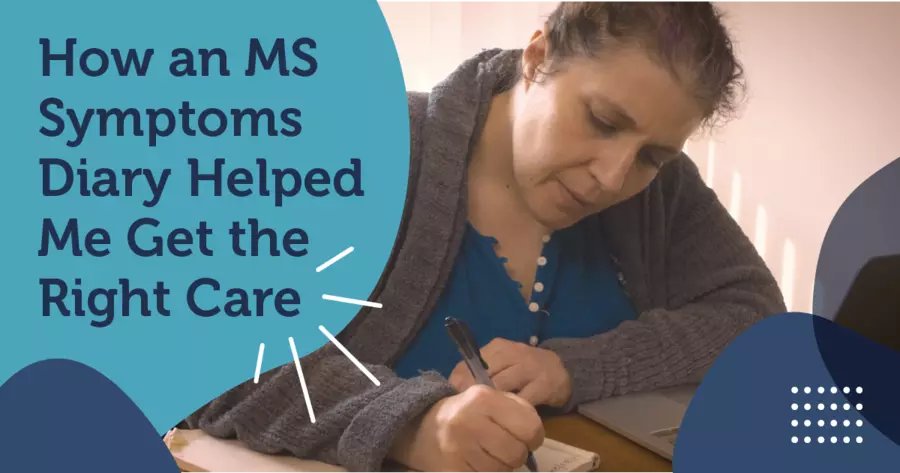
00:00:00:00 - 00:00:28:13
Jenny
When I was diagnosed, my neurologist said, “I really don’t see this limiting you much,” and you know what? What I have learned over time is that it doesn’t have to limit me much. On my treatment journey, I like to hit MS from as many sides as possible. When deciding on medication, I actually left my neurologist’s office after diagnosis with a prescription.
00:00:28:15 - 00:00:54:18
Jenny
I come from a family medicine. My pop-pop was a pharmacist. My nana was a nurse. My dad was an anatomy professor, and he did medical research, so I have great trust in modern medicine. I did cut dairy and gluten, and most recently sugar, which was really painful. For exercise, I like to walk. I like to do HIIT training because it’s quick,
00:00:54:20 - 00:01:27:09
Jenny
although that is someplace where I risk overexerting myself, so I need to remember to be careful. MS usually reminds me that it’s here, but feeling pretty normal is a regular occurrence. However, if I don’t rest enough, that’s not the situation. Stress can also advance the disease. If I overdo it, I’m going to flare up. What I do to relax is: I like to read.
00:01:27:11 - 00:01:52:20
Jenny
I like to watch movies. I like to listen to music. Progressive MS previously didn’t have any medications. Now they’re coming up with new treatments. They’re coming up with treatments that reverse the damage. There’s so much to be hopeful about. There’s so much. My name is Jenny Gattone, and I’m a member of MyMSTeam.
New treatment options are helping people with MS continue to live healthy, productive lives. Jenny was grateful that her neurologist worked with her to find a treatment that keeps her symptoms at bay.
“Medication is incredibly important because it’s all we have,” she said. “It’s a degenerative disease that there is no cure for, as of right now. So all they can do is slow it down, and the only thing slowing it down is medication — the disease-modifying treatments.”
Jenny also adjusted her diet and worked on reducing stress to try to reduce the likelihood of having a relapse (also called a flare, a period of worsening symptoms). Some studies suggest that stressful events may lead to a higher risk of an MS flare.
“I like to hit MS from as many sides as possible,” she said. In addition to taking her medications regularly, Jenny began exercising by walking and doing high-intensity interval training. She also cut dairy, gluten, and sugar from her diet. She makes sure she rests frequently and works hard to keep stress at a minimum so she can reduce the odds of having a flare.
Jenny believes that by combining these lifestyle changes with her treatment plan, she’s able to navigate life with MS more easily. She’s also hopeful for what the future may hold in terms of new treatment options.
“Progressive MS previously didn’t have any medications, but now there are,” she said. “They’re coming up with treatments that reverse the damage. There’s so much to be hopeful about.”
On MyMSTeam, people share their experiences with multiple sclerosis, get advice, and find support from others who understand.
Do you add lifestyle changes to your treatment regimen to hit MS from all sides? Do you have tips for reducing MS flare-ups? Let others know in the comments below.
Get updates directly to your inbox.


Já existe medicação para riemilizar os neurónios?



 Continue with Facebook
Continue with Email
Continue with Facebook
Continue with Email
Continue with Facebook
Continue with Email
Continue with Facebook
Continue with Email
Become a member to get even more





 Join
Join



 Your Privacy Choices

This is a member-feature!
Sign up for free to view article comments.
Help
We'd love to hear from you! Please share your name and email to post and read comments.
You'll also get the latest articles directly to your inbox.