

Connect with others who understand.

  • Learn from expert-reviewed resources
  • Real advice from people who’ve been there
  • People who understand what you’re going through
Sign Up Log In
Powered By
Real members of MyMSTeam have posted questions and answers that support our community guidelines, and should not be taken as medical advice. Looking for the latest medically reviewed content by doctors and experts? Visit our resource section.
August 1, 2024
 · 
Reactions
MyMSTeam

Experiencing new or worsening symptoms after having Relapsing-Remitting MS (RRMS) for many years could indicate a progression of the disease. Here are some points to consider:

- Progression to Secondary Progressive MS (SPMS): RRMS can transition to SPMS, where symptoms gradually worsen over time without periods of Show Full Answer


Experiencing new or worsening symptoms after having Relapsing-Remitting MS (RRMS) for many years could indicate a progression of the disease. Here are some points to consider:

- Progression to Secondary Progressive MS (SPMS): RRMS can transition to SPMS, where symptoms gradually worsen over time without periods of remission.
- Symptoms of SPMS: These can include muscle stiffness, unsteady walking, balance problems, and issues with bladder and bowel control.
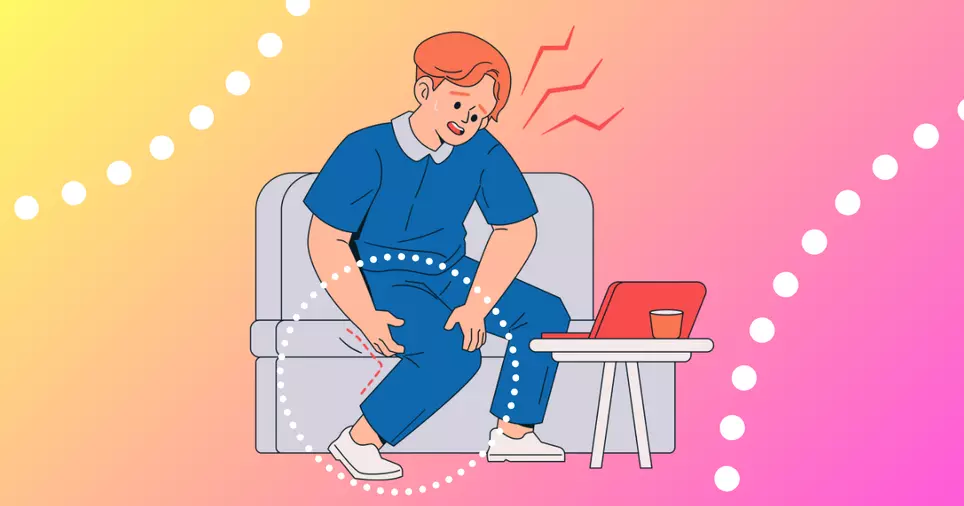
- Leg Weakness and Pain: Heavier, painful legs, and swollen knees could be related to MS progression, but other conditions might also be involved.

Consulting a neurologist is crucial for an accurate diagnosis and appropriate management.

August 1, 2024

Related Questions

View All
A MyMSTeam Member asked a question 💭
Chicago, IL

A MyMSTeam Member asked a question 💭
Denver, CO

A MyMSTeam Member asked a question 💭
West Covina, CA

Continue with Facebook
Continue with Google
By joining, you accept our Terms of Use, and acknowledge our collection, sharing, and use of your data in accordance with our Health Data and Privacy policies.
Already a member? Log In