

Connect with others who understand.

  • Learn from expert-reviewed resources
  • Real advice from people who’ve been there
  • People who understand what you’re going through
Sign Up Log In
Powered By
Real members of MyMSTeam have posted questions and answers that support our community guidelines, and should not be taken as medical advice. Looking for the latest medically reviewed content by doctors and experts? Visit our resource section.
A MyMSTeam Member asked a question 💭
Plover, WI

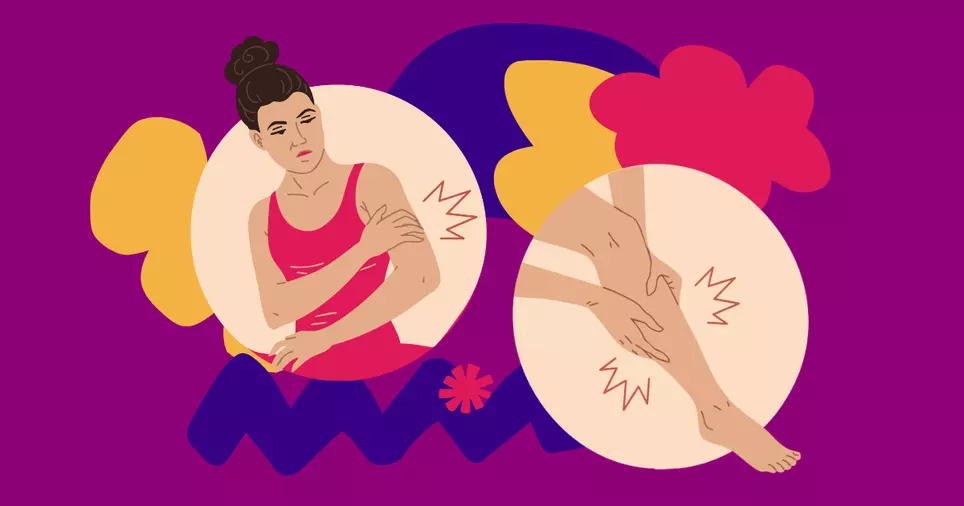
What do you do to help with them? My upper under arm is spasming really bad and my arm feels like it's swollen from the spasms.

October 6, 2024
 · 
Reactions
A MyMSTeam Member

Pick up a message gun. There's hundreds of different ones on line.
I got one for about Fifty bucks.
Just make sure it advertised that it holds a six hours charge
I think that helps to find a decent one. Good luck
God Bless Stay Strong

October 7, 2024
A MyMSTeam Member

Thank you everyone. I used to have a tens unit but I don't anymore. I'll have to get another one soon.

October 6, 2024
A MyMSTeam Member

I like your non Pharmaceutical approach. I have and use a TENS. A warm shower is nice also. God Bless Stay Strong

October 6, 2024
A MyMSTeam Member

Baclophen, Gabapentin and magnesium helps me with mine 🤗 for non pharmacological answer is a tens machine

October 6, 2024
MyMSTeam

Managing muscle spasms, especially in the upper arm, can be challenging. Here are some strategies based on my knowledge base:

- Medications: Over-the-counter pain relievers like aspirin, ibuprofen, or acetaminophen can provide temporary relief. Muscle relaxants such as baclofen or cyclobenzaprine may also be prescribed by Show Full Answer


Managing muscle spasms, especially in the upper arm, can be challenging. Here are some strategies based on my knowledge base:

- Medications: Over-the-counter pain relievers like aspirin, ibuprofen, or acetaminophen can provide temporary relief. Muscle relaxants such as baclofen or cyclobenzaprine may also be prescribed by your doctor.
- Botox Injections: Botulinum toxin (Botox) injections can help relax the muscles.
- Stretching and Exercise: Regular stretching and gentle exercises, such as yoga or range-of-motion exercises, can help maintain flexibility and reduce spasms.
- Topical Treatments: Pain-relief creams or ointments can help loosen tight muscles.
- Physical Therapy: A physical therapist can provide customized stretches and exercises to preserve range of motion.
- Medical Marijuana: Some studies have shown that cannabinoids can help reduce muscle spasticity.

It's important to consult with your healthcare provider to determine the best treatment plan for your symptoms.

October 6, 2024

Related Questions

View All
A MyMSTeam Member asked a question 💭
St Petersburg, FL

A MyMSTeam Member asked a question 💭
Florida, NY

A MyMSTeam Member asked a question 💭
Topeka, KS

Continue with Facebook
Continue with Google
By joining, you accept our Terms of Use, and acknowledge our collection, sharing, and use of your data in accordance with our Health Data and Privacy policies.
Already a member? Log In