Certainly! Here is a detailed summary of an article about brain fog and multiple sclerosis (MS) from my knowledge base:
Brain Fog and MS: What It Feels Like and 6 Ways To Manage
Overview
- Brain fog, also known as cog fog, refers to cognitive symptoms experienced by about half of people with MS. These symptoms can Show Full Answer
Certainly! Here is a detailed summary of an article about brain fog and multiple sclerosis (MS) from my knowledge base:
Brain Fog and MS: What It Feels Like and 6 Ways To Manage
Overview:
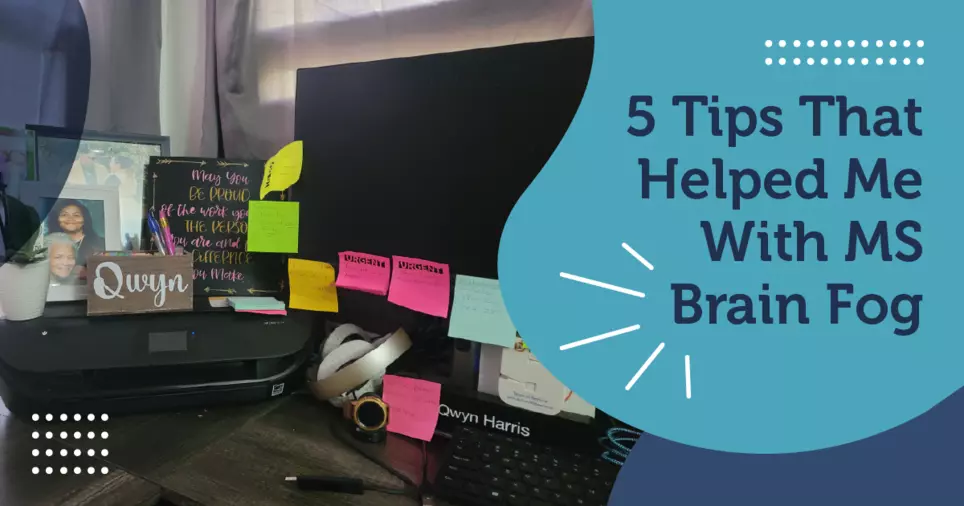
- Brain fog, also known as cog fog, refers to cognitive symptoms experienced by about half of people with MS. These symptoms can include issues with memory, concentration, problem-solving, information processing, and visual or spatial abilities.
Cognitive Symptoms:
- Memory: Difficulty remembering specific information, recent events, or preplanned tasks. This can lead to frequently misplacing objects or missing appointments.
- Reasoning and Problem-Solving: Challenges in these areas can affect daily activities and responsibilities.
- Information Processing: Slower processing of information can make tasks more time-consuming.
Factors Affecting Brain Fog:
- Exhaustion and Stress: These can worsen brain fog symptoms.
- Medications: Certain medications may also impact cognitive function.
Management Strategies:
1. Exercise: Regular physical activity can help improve cognitive function.
2. Learning New Skills: Engaging in new activities, such as learning a new language, can help keep the brain healthy.
3. Setting Reminders: Using alarms and reminders on your phone can help manage daily tasks and appointments.
4. Cognitive Rehabilitation: Therapy aimed at improving cognitive function can be beneficial.
5. Talking to Your Doctor: Neurologists can refer you to specialists for cognitive testing and rehabilitation.
6. Support Networks: Joining support groups like MyMSTeam can provide shared experiences and tips from others living with MS.
Support and Community:
- MyMSTeam: An online support group with over 195,000 members where individuals with MS and their loved ones can share experiences and support each other.
References:
- Emotional and Cognitive Changes — Multiple Sclerosis International Federation
- Thinking and Memory Problems — Multiple Sclerosis Trust
- Memory and Cognition — MS Queensland
For more detailed information, you can visit the full article on MyMSTeam: [Brain Fog and MS: What It Feels Like and 6 Ways To Manage](https://www.mymsteam.com/resources/brain-fog-an...).
This summary provides a comprehensive look at brain fog in MS and offers practical tips for managing it.
November 19, 2024






 Join
Join





 Your Privacy Choices