What strategies can help manage brain fog with MS?
Brain fog can be frustrating, but there are several practical strategies that may help improve cognitive clarity:
Stay physically active: Even 15 minutes of exercise daily can make a difference. Water exercises, pilates, tai chi, stretching, and yoga are great options Show Full Answer
What strategies can help manage brain fog with MS?
Brain fog can be frustrating, but there are several practical strategies that may help improve cognitive clarity:
Stay physically active: Even 15 minutes of exercise daily can make a difference. Water exercises, pilates, tai chi, stretching, and yoga are great options. Exercise helps reduce fatigue and rebuild brain connections. Always check with your doctor before starting new routines.
Keep cool and hydrated: Heat can worsen brain fog significantly. Stay in air conditioning during hot weather, and drink water consistently throughout the day. Keeping your core temperature down may help you think more clearly.
Use memory aids: Set up systems that work for you:
- Phone alarms for appointments, medications, and daily tasks
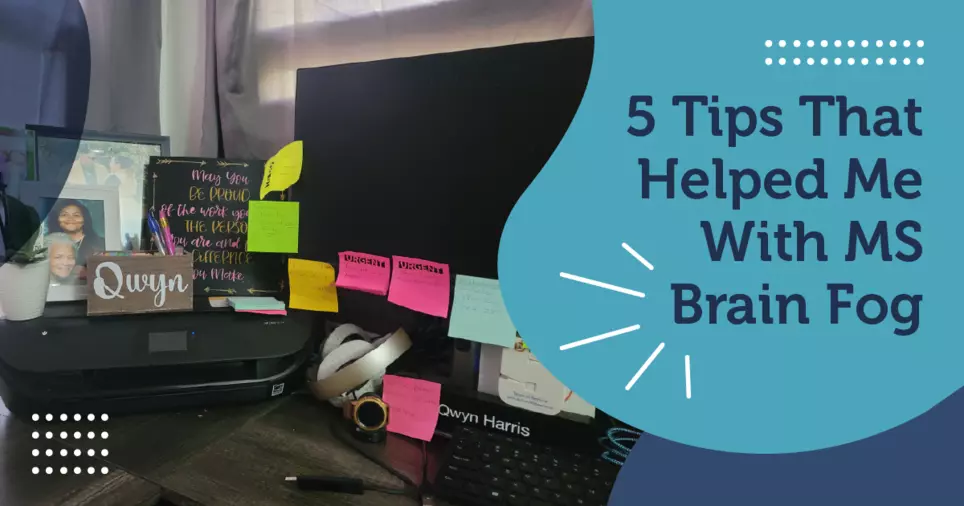
- Color-coded Post-its (like green for non-urgent, yellow for upcoming, red for immediate)
- Calendars on your phone and computer
- To-do lists you can check daily
Build memory associations: Connect tasks together, like taking medication with your first glass of water. When meeting people, link their names to someone you already know. Practice relaxation: Brain fog often worsens with stress and exhaustion. Try meditation, deep breathing, adequate sleep, or positive affirmations. If you can't lie down, focus on your breath and use calming self-talk.
Challenge your brain: Learning something new, like a language, may help strengthen overall cognitive function and keep your brain active.
Talk to your doctor: Your neurologist can arrange cognitive testing to identify specific problems and refer you to cognitive rehabilitation therapy, which has been shown to improve cognitive functioning.
Remember, what works varies from person to person. It may take time to find your personal routine, and that's completely OK. Every small accomplishment counts.
November 7, 2025








 Join
Join




 Your Privacy Choices