
Powered By


Answer Summary
Members thoughtfully responded to someone experiencing nighttime breathlessness and chest tightness, with many suggesting it could be sleep... Read more
Sorry you are going through all of this . Sometimes it difficult to distinguish if something is caused by MS or not. Waking up gasping for air does sound like it could be sleep apnea, it might be a good idea to have a sleep study test done. You can find out if you need a cpap machine while you sleep. If you rule out sleep apnea then you can lean more towards MS hug.
I do not take Ocrevus so I am not sure what the side effects are . You can ask a separate question regarding the blood pressure and headaches and someone who takes Ocrevus will hopefully reply. Wishing you well!
The MS hug bites severely. It's like a Anaconda wraps around you and squeezes the life out of you. That's the best way I know to put it. When I get it the only thing I found to relief it is to take a muscle relaxer and try to sleep. I can take my gabapentin and pain medication and it makes it worse. God bless 🙏 you with what you are going through
i found this on AI
"The MS hug often worsens at night when trying to sleep, as fewer distractions allow the brain to focus more intensely on the discomfort, leading to sleep disruption and fatigue. Many individuals report the sensation is more severe while lying down, often requiring them to sleep propped up on pillows or in a sitting position to manage the tightness and pain around the rib cage.
Symptoms and Triggers
The sensation is commonly described as a tight band, squeezing, or restrictive feeling around the chest, stomach, or back, which can make breathing difficult.
While it can occur at any time, nighttime episodes are frequently reported as the most intense, sometimes waking individuals from sleep or causing them to fear they are having a heart attack.
Factors such as stress, anxiety, temperature changes, or physical overexertion during the day may trigger or exacerbate the symptom during the night.
Management Strategies
Adjusting sleep position by propping up with pillows or sleeping upright can provide relief for those who find lying down worsens the tightness.
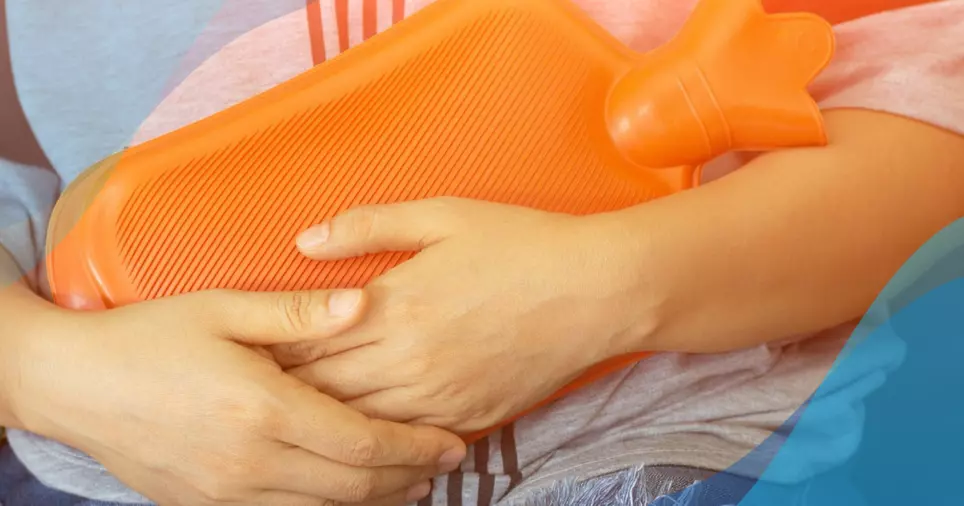
Applying heat or cold packs to the affected area, wearing loose clothing, or using pressure (like a light scarf) may help distract the brain and reduce the sensation.
For severe cases, medications targeting neuropathic pain or muscle spasms, along with relaxation techniques like meditation or breathing exercises, are often recommended to manage symptoms."
Could be Sleep Apnoea?

Could waking up gasping for air with rib tightness be an MS hug?
What you're describing could potentially be an MS hug, which can cause tightness around the ribs and chest that makes breathing difficult. The MS hug can feel like a tight band squeezing your chest or ribs, and it can range from mild discomfort to a vise-like Show Full Answer



 Join
Join





 Your Privacy Choices
