Great question! Black cumin seed oil (also known as black seed oil or Nigella sativa) has been getting some attention in the MS community. Some MyMSTeam members have shared positive experiences with it, reporting benefits like reduced brain fog, less shakiness, and more energy.
However, it's important to know that most Show Full Answer
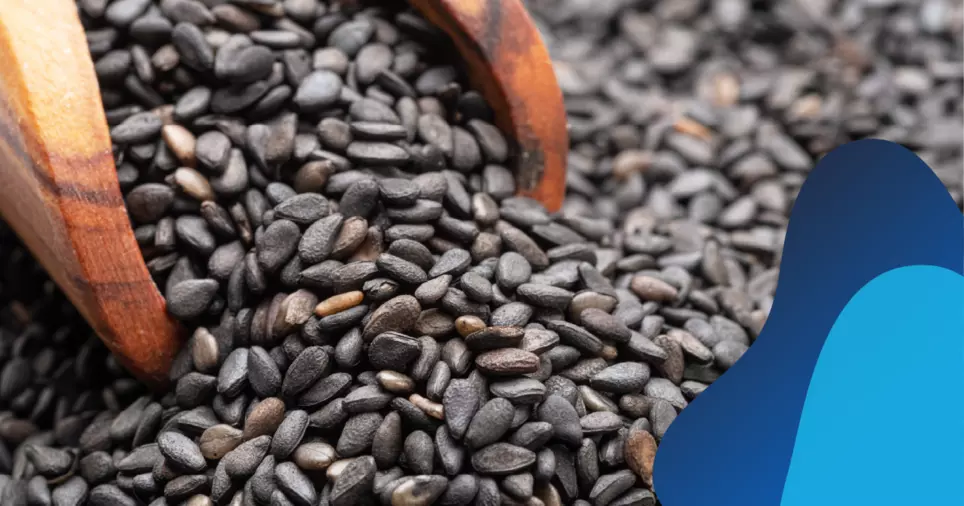
Great question! Black cumin seed oil (also known as black seed oil or Nigella sativa) has been getting some attention in the MS community. Some MyMSTeam members have shared positive experiences with it, reporting benefits like reduced brain fog, less shakiness, and more energy.
However, it's important to know that most research so far has been done on animal models, not humans. So while the early signs are interesting, there's not yet enough clinical evidence to say it definitively helps with MS flares. The key compound in black seed oil is called thymoquinone, which has shown:
- Anti-inflammatory effects that may help neurons function better
- Antioxidant properties that could protect nerve fibers
- Neuroprotective effects that may reduce nerve cell death
These properties are why researchers are interested in its potential for MS symptom management. Before trying it, there are some important cautions to be aware of. Black seed oil may cause:
- Low blood pressure
- Increased bleeding risk
- Drowsiness
- Interactions with other medications
- Toxic effects at very high doses
Always talk to your neurologist before adding it to your routine, and make sure your entire care team knows about any supplements you're taking.
May 5








 Join
Join




 Your Privacy Choices
