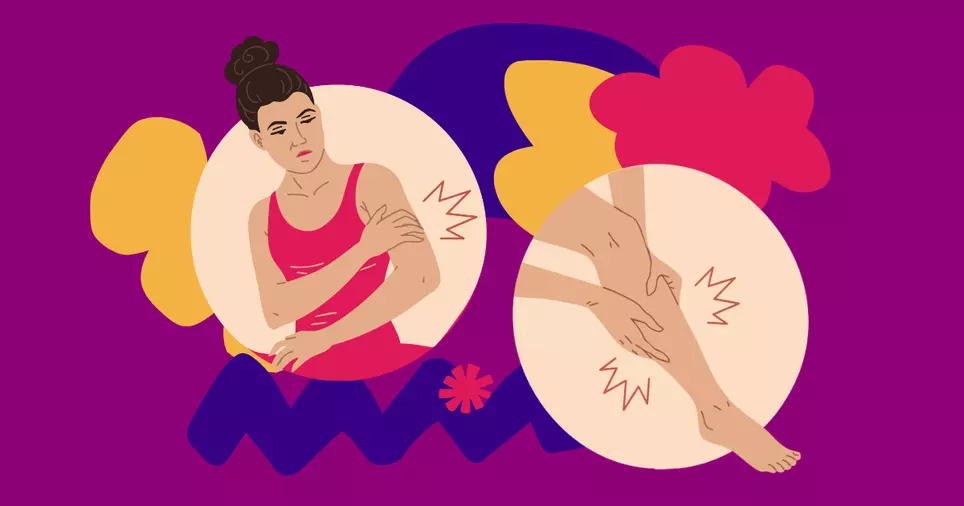
Good evening! It's wonderful that your wife has such a caring and supportive partner looking out for her. Muscle spasms are one of the most common symptoms of MS, affecting between 60% and 90% of people living with the condition. They can range from mild tightness to very painful, uncontrollable jerking movements.
Show Full Answer
Good evening! It's wonderful that your wife has such a caring and supportive partner looking out for her. Muscle spasms are one of the most common symptoms of MS, affecting between 60% and 90% of people living with the condition. They can range from mild tightness to very painful, uncontrollable jerking movements.
MS-related nerve damage disrupts normal muscle contractions, causing muscles to tighten or jerk. Spasms can affect the arms, legs, back, and trunk — and for some people, they can significantly impact daily activities like walking, dressing, or bathing. Since the spasms are progressing, it's really important to speak with her neurologist soon. There are several treatment options available, including:
- Stretching programs guided by a physical therapist
- Staying well hydrated, which can help reduce spasm frequency
- Oral or injectable muscle relaxants
- Botox injections to help relax overactive muscles
- A baclofen pump (for more severe cases) — a small implanted device that delivers muscle relaxant medication directly
The neurologist may also want to check whether the worsening spasms are linked to an MS relapse, as spasticity can sometimes signal increased disease activity. Common triggers worth paying attention to include:
- Sudden position changes
- Extreme temperatures
- Stress
- A full bladder or constipation
- Tight clothing
Identifying and managing triggers can make a real difference alongside any treatment plan her doctor recommends. Wishing her some relief very soon! 💙
May 11





 Join
Join







 Your Privacy Choices
