I thought I was having a heart attack and called ambulance. ER could not diagnose. Pain for a couple hours. Since initial hug, I have them periodically, but I don’t panic because I know what it is.
September 20
The MS hug is something many people with MS experience, and it can be really confusing — especially the first time it happens. It's one of those symptoms that sounds almost pleasant until you actually feel it!
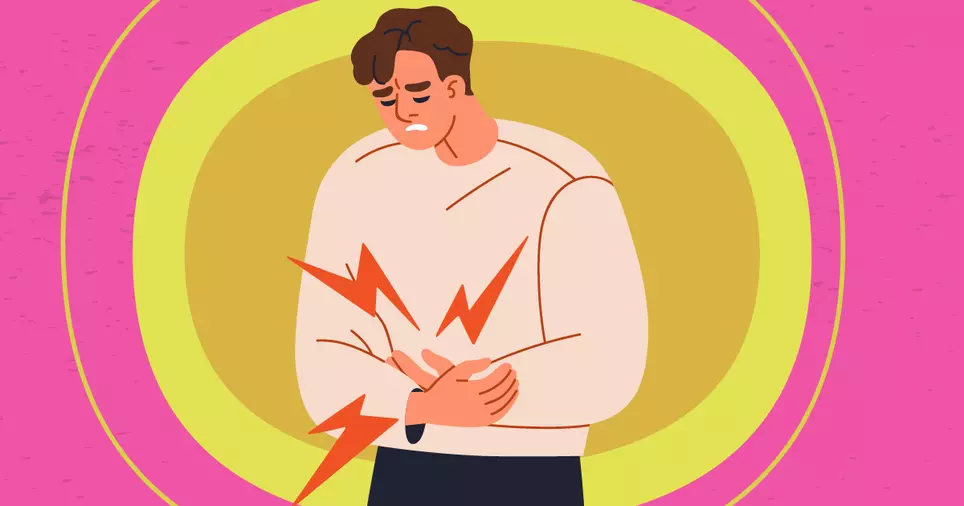
The MS hug is a tightening or squeezing sensation anywhere between the neck and waist. It's caused by two things:
Show Full Answer
The MS hug is something many people with MS experience, and it can be really confusing — especially the first time it happens. It's one of those symptoms that sounds almost pleasant until you actually feel it!
The MS hug is a tightening or squeezing sensation anywhere between the neck and waist. It's caused by two things:
- Muscle spasms in the small muscles between the ribs
- Dysesthesia — when damaged nerves send wrong signals to the brain, creating sensations of pain, burning, or pressure MyMSTeam members have described it in many ways, from "an ever-tightening corset" to "a boa constrictor tightening around me." Some have even mistaken it for a heart attack — which is understandable given how intense it can feel.
Common triggers include:
- Heat or temperature changes
- Stress
- Exhaustion
- Large meals
- A relapse or flare Keeping a symptom diary can help identify personal triggers. If symptoms suddenly worsen or feel severe — especially with chest pain, shortness of breath, or dizziness — it's important to seek medical attention right away to rule out anything more serious.
September 20







 Join
Join






 Your Privacy Choices