Are you wondering whether tailbone pain is connected to MS? It's a really common concern. While tailbone pain isn't considered a direct MS symptom, there are several ways MS can contribute to it.
Here are some possible connections:
- Prolonged sitting — Limited mobility can mean sitting for long periods, which puts Show Full Answer
Are you wondering whether tailbone pain is connected to MS? It's a really common concern. While tailbone pain isn't considered a direct MS symptom, there are several ways MS can contribute to it.
Here are some possible connections:
- Prolonged sitting — Limited mobility can mean sitting for long periods, which puts pressure on the tailbone
- Muscle spasms — These can be felt in the lower back and tailbone area
- Spasticity — Muscle tightness, a very common MS symptom, can cause pain in the tailbone region
- Falls — Up to 70% of people with MS experience falls, which can injure the tailbone
A MyMSTeam member shared, "I started with neck pain in the beginning. Then moved to severe tailbone pain that I still have and cannot sit. I have to sit on my sides." The good news is there are several ways to manage tailbone pain:
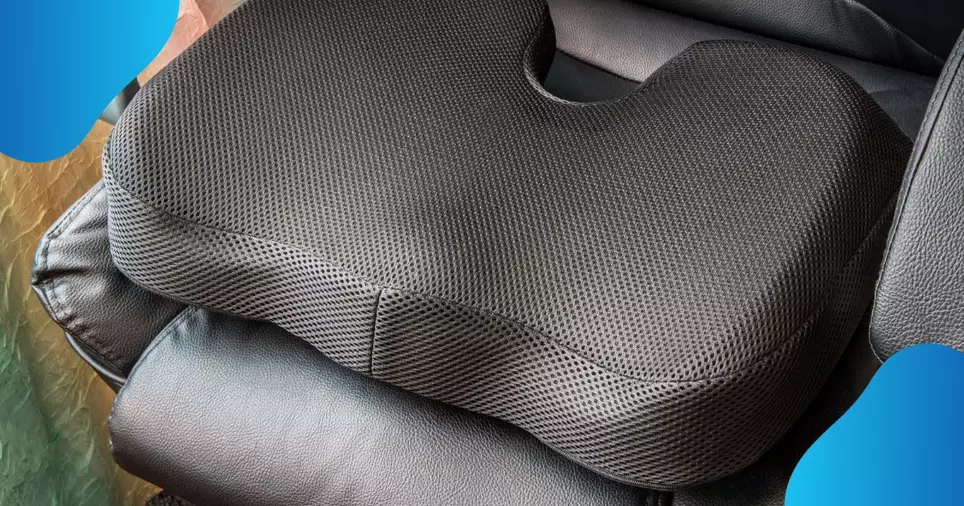
- Coccyx cushions — Specially shaped pillows (doughnut, wedge, or U-shaped) can reduce pressure on the tailbone
- Heat or cold therapy — A heating pad or ice pack can help, but avoid extremes that could burn or damage skin
- Gentle movement — Yoga, chair yoga, or stretches targeting the hips and buttocks can provide relief
- Physical therapy — A therapist can tailor exercises and advise on posture; pelvic floor therapy may also help
- Over-the-counter pain relievers — Ibuprofen can help, but note it won't work for neuropathic pain
If pain is neuropathic or spasticity-related, the underlying nerve or muscle issue may need to be treated instead. Always check with a healthcare provider before adding new medications or trying complementary therapies like acupuncture or chiropractic care. Reach out to a doctor right away if tailbone pain follows a fall and is accompanied by:
- Fever
- Hip or lower back pain
- Bowel or bladder symptoms
- Numbness
Persistent, severe, or worsening tailbone pain also warrants a medical visit, even without a fall.
AI-generated responses are not a substitute for medical advice. These services are not intended to
diagnose, treat, or cure any condition or disease. Always ask your doctor about specific health concerns.

MS and Tailbone Pain: Management Tips
16 hours ago





 Continue with Facebook
Continue with Email
Continue with Facebook
Continue with Email

 Join
Join




 Your Privacy Choices