It appears to be good news. Green highlighted = You have mucous in your sinus and fluid in your ear.
Do your research. Get your dictionary out. Learn the terminology like I did. I learned to decipher the radiology reports, my doctors' reports, and the MRI images themselves.
July 22, 2024
You are amazing! Thank you for the his information! I really don't understand why it will say no new or enhancing lesions , but there always appear to be more than when I started. Do you know what I mean? I often thought I'd this really MS? White matter disease or something else
July 22, 2024
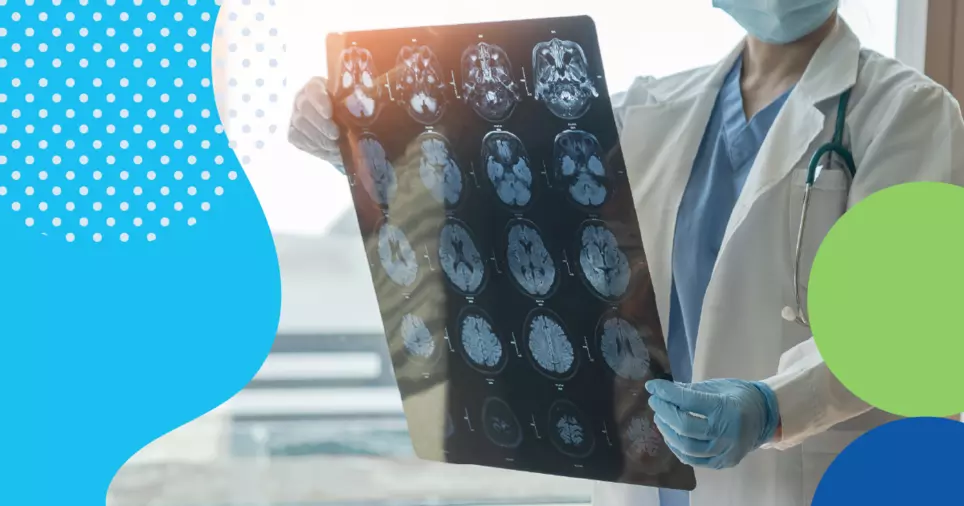
An MRI scan is a valuable diagnostic tool for multiple sclerosis (MS). Here are some key points from the knowledge base:
- Purpose: MRI uses a strong magnetic field and radio waves to evaluate the relative water content in central nervous system (CNS) tissue, providing the most detailed view of the CNS
- Details: MRI Show Full Answer
An MRI scan is a valuable diagnostic tool for multiple sclerosis (MS). Here are some key points from the knowledge base:
- Purpose: MRI uses a strong magnetic field and radio waves to evaluate the relative water content in central nervous system (CNS) tissue, providing the most detailed view of the CNS.
- Details: MRI scans show the progression, location, and number of MS lesions. They can differentiate between current inflammation, newer brain lesions, and older sites of permanent damage.
- Silent Damage: MRI can reveal myelin damage or injury to the CNS that is not causing symptoms, known as silent damage.
- Diagnosis: Most MS diagnoses are partially based on MRI findings over time. The McDonald criteria, used for diagnosing MS, rely heavily on MRI results.
- Procedure: The scan is painless but can be loud, so earplugs are recommended. It's important to report any metal content in your body to ensure safety during the procedure.
- Follow-Up: After an MS diagnosis, regular MRI scans are typically conducted to track disease progression and treatment effectiveness.
For more detailed information, you can refer to the articles from MyMSTeam:
- [The Role of MRI in Multiple Sclerosis Diagnosis](https://www.mymsteam.com/resources/the-role-of-...)
- [Brain Lesions in MS: What You Must Know](https://www.mymsteam.com/resources/brain-lesion...)
July 22, 2024






 Join
Join






 Your Privacy Choices