How does memory loss from MS affect your sense of time?
You're describing a really common experience with MS-related brain fog. Many people find that long-term memories stay vivid while recent things slip away, which can create that disorienting feeling where the past feels closer than it actually is.
A MyMSTeam member Show Full Answer
How does memory loss from MS affect your sense of time?
You're describing a really common experience with MS-related brain fog. Many people find that long-term memories stay vivid while recent things slip away, which can create that disorienting feeling where the past feels closer than it actually is.
A MyMSTeam member shared something similar: "I can remember 20 years ago like it was yesterday, but I can't remember what I had for supper last night."
MS typically affects short-term memory more than long-term memory. This means you might struggle to recall recent events, names, or what you did yesterday, while memories from years ago remain crystal clear. It's why that time confusion happens — your brain is holding onto older memories better than newer ones.
What helps manage this?
Many people find these strategies helpful:
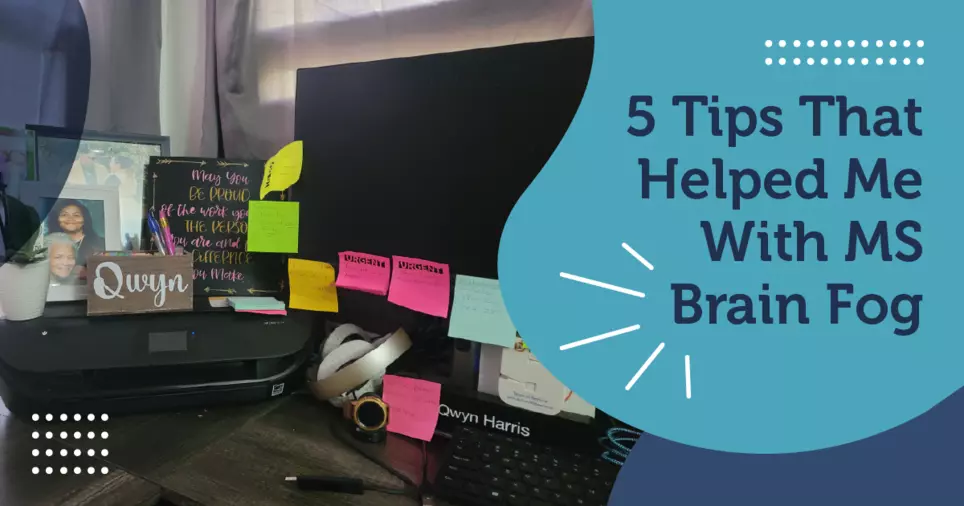
- Keep calendars visible and check them daily (on your phone and computer)
- Set multiple phone alarms for important reminders
- Write things down immediately — don't wait
- Use memory associations to connect new information with things you already know
Brain fog can come and go depending on factors like fatigue, stress, heat, and hydration. Staying cool and well-hydrated often helps with cognitive clarity.
If your memory issues are significantly affecting daily life or getting worse, talk with your neurologist about whether adjusting your treatment might help.
November 29, 2025







 Join
Join






 Your Privacy Choices