What can help with brain fog and muscle spasms when you're dealing with severe exhaustion?
Living with MS since 1981 means you've been navigating this for a long time, and it's understandable that exhaustion is weighing heavily on you right now. Let's look at some practical strategies for both brain fog and muscle spasms.
Show Full Answer
What can help with brain fog and muscle spasms when you're dealing with severe exhaustion?
Living with MS since 1981 means you've been navigating this for a long time, and it's understandable that exhaustion is weighing heavily on you right now. Let's look at some practical strategies for both brain fog and muscle spasms.
For Brain Fog:
Exercise can help rebuild brain connections and reduce fatigue. Consider gentle options like:
- Water exercises
- Stretching
- Yoga
- Tai chi
Rest and stress management are crucial, especially when exhaustion is severe. Try lying down frequently, practicing deep breathing, or using calming self-talk like "This will pass."
Memory aids can be lifesavers:
- Use phone alarms for reminders
- Keep calendars on your phone and computer
- Try color-coded sticky notes for tasks (green for non-urgent, yellow for upcoming, red for immediate)
- Write things down immediately
Learning something new, like a language, may help keep your brain active and improve memory.
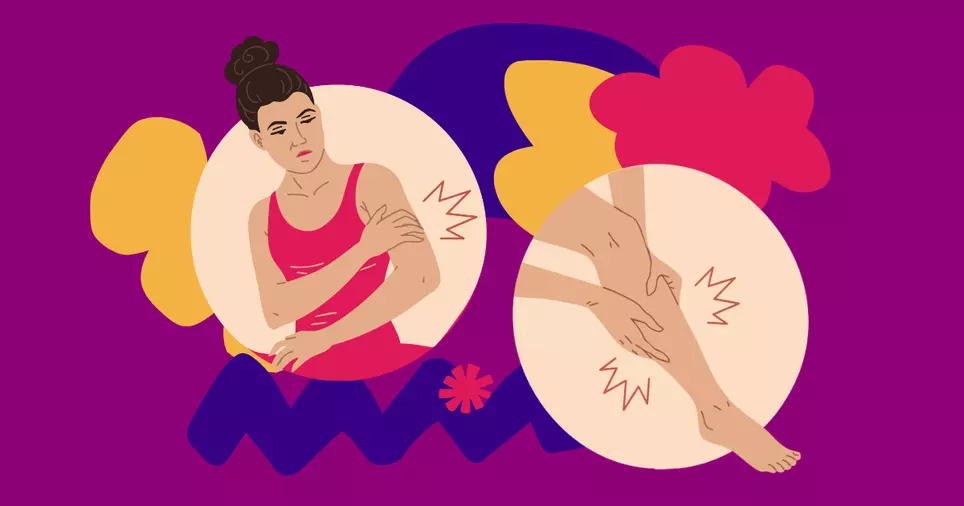
For Muscle Spasms:
Regular stretching is important to preserve range of motion. A physical or occupational therapist can teach you customized exercises.
Medications like baclofen, tizanidine, or clonazepam may help. For severe spasticity, Botox injections or an implanted baclofen pump might be options.
Try to avoid common triggers:
- Sudden movements
- Extreme temperatures
- Tight clothing
- Stress
Important: Talk to your neurologist about both symptoms. They can refer you to specialists for cognitive rehabilitation and physical therapy, and help determine if medication adjustments might reduce your exhaustion while managing these symptoms.
February 19







 Join
Join





 Your Privacy Choices