I got mine on Amazon. I read the reviews. But it was 1000 dollars. I don’t know if you’d want it. I’ve only used it once so I’m not much help. You could try asking for advice from your local med supplier. Or call some dealers but don’t buy.
June 18
What a big and meaningful decision — and it sounds like you and your husband are approaching it thoughtfully. After 40 years with MS, you know your body well, and recognizing that your needs are shifting is an important step.
There's no single "right" time to buy a wheelchair van, but many people find that the best time is Show Full Answer
What a big and meaningful decision — and it sounds like you and your husband are approaching it thoughtfully. After 40 years with MS, you know your body well, and recognizing that your needs are shifting is an important step.
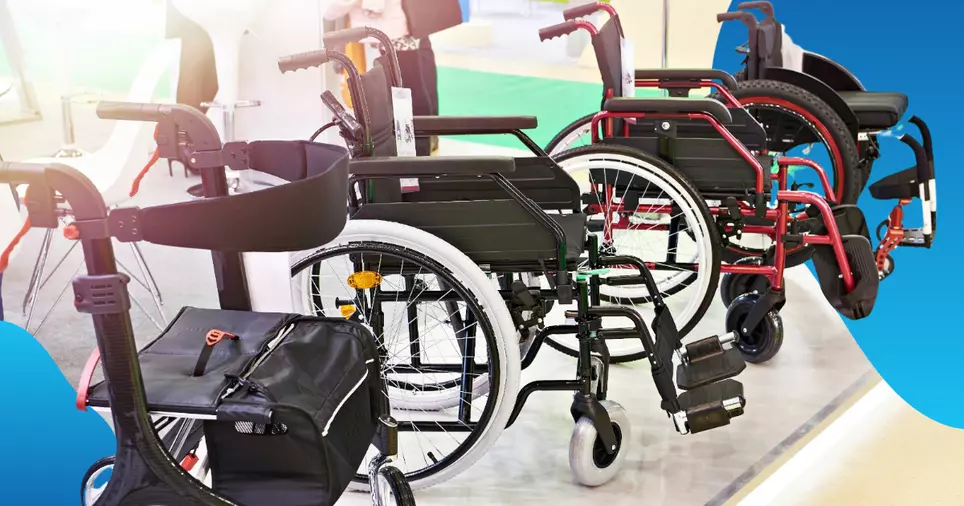
There's no single "right" time to buy a wheelchair van, but many people find that the best time is when mobility aids are becoming a daily necessity rather than occasional tools. Given that you're finding it harder to stand and can't load your wheelchair independently, that moment may already be here for you. Here are some practical things to consider when exploring a wheelchair van:
- Assess your wheelchair type — Your lightweight manual chair is a great starting point. Make sure any van conversion accommodates it properly.
- Ramp vs. lift — Vans can be fitted with either a ramp or a lift. Ramps are often easier for self-propelling; lifts may be better if you need more assistance.
- Hand controls — If driving is still a goal, hand controls can be added to a van, as one MyMSTeam member shared after losing foot sensation while driving.
- Get a professional assessment — Adaptive driving specialists can evaluate your needs and recommend the right setup.
- Budget realistically — Conversions can cost several thousand dollars, so factor that into your planning. For financial help, there are several avenues worth exploring:
- MS Navigators through the National Multiple Sclerosis Society can help identify funding sources
- The Multiple Sclerosis Foundation's Assistive Technology Program may help fund mobility equipment
- State assistive technology programs funded under the Assistive Technology Act
- Social Security Disability Insurance (SSDI) if you've had to reduce or stop working
- Local community organizations that offer grants or financial assistance It's completely understandable to feel strange about this transition — many people do. But a wheelchair van can actually restore independence rather than take it away. Being able to get out and about safely, on your own terms, is genuinely empowering.
Talking with your neurologist and a physical therapist about your current mobility needs would be a great next step before making the purchase.
June 17







 Join
Join




 Your Privacy Choices