@traceyanshus have you ever tried drinking mushroom coffee. Mushroom coffee is supposed to help with spasms . I believe @A MyMSTeam Member tried it . Maybe he can weigh in on this .
Mentioned Users
 A MyMSTea...
July 23
at night my muscles get really tight and it makes me want to move my legs profusely
July 23
I get very strong twitching ,jerking at night , and yea it is not a good feeling , I take Ropin and magnesium ,
July 23
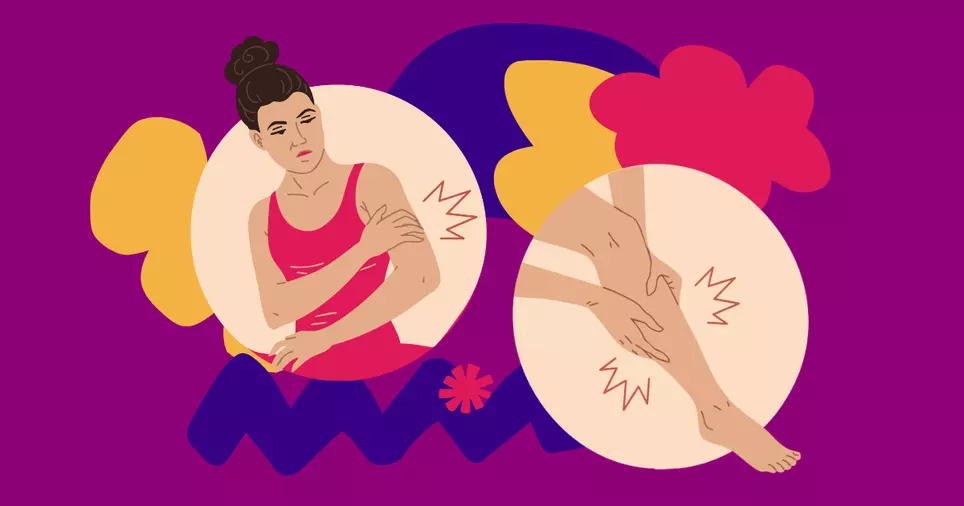
Those uncontrollable movements in your arms and legs are called muscle spasms, and they're one of the most common symptoms of MS — affecting up to 80% of people with MS. So as awful as they feel, you are definitely not alone in this.
MS causes nerve damage in the brain and spinal cord, which disrupts the normal signals Show Full Answer
Those uncontrollable movements in your arms and legs are called muscle spasms, and they're one of the most common symptoms of MS — affecting up to 80% of people with MS. So as awful as they feel, you are definitely not alone in this.
MS causes nerve damage in the brain and spinal cord, which disrupts the normal signals that control muscle movement. Instead of muscles working in a coordinated way, they can contract all at once and resist being stretched — creating that painful, jerky tug-of-war feeling. There are a few common triggers that can make spasms worse:
- Sudden position changes or movements
- Extreme temperatures
- Infections
- Tight clothing
- Constipation
- A full bladder
- Stress
Identifying your personal triggers can really help in managing them. The good news is there are treatment options worth discussing with your neurologist, including:
- Oral muscle relaxants to reduce frequency and severity
- Botox injections to help relax overactive muscles
- Physical therapy to improve mobility and reduce tension
- A baclofen pump for more severe cases
Please don't adjust medication doses on your own without your doctor's guidance — it can be dangerous. Reaching out to your neurologist is the best next step.
July 23






 Join
Join





 Your Privacy Choices