
Powered By



Living with multiple sclerosis (MS) can make exercise feel complicated. Symptoms like fatigue, weakness, stiffness, dizziness, and trouble with balance can make even simple movement feel difficult. Some people also worry about falls or overheating. Others use a cane, walker, or wheelchair and wonder what exercise will look like now.
Still, many people with MS find that moving their body, in a way that fits their abilities, helps them feel stronger, steadier, and more like themselves.
Research shows that regular, properly adjusted exercise is safe for most people with MS and is associated with improvements in strength, balance, walking ability, fatigue, mood, and quality of life.
In MyMSTeam Q&A threads — like this one, with more than 1,100 comments — members have shared dozens of types of exercise that work best for them. Here are seven favorites, in members’ own words.
For many people with MS, the pool can feel like a reset button. Water can make movement feel easier on joints, and it can be a more comfortable option for people who have trouble with balance or Uhthoff’s phenomenon (heat sensitivity).
One member said, “I like water exercises. They have helped my balance.”

“I started going to aqua fit. It helps with overheating.”
Another recommended swimming and water aerobics for those who have trouble with balance.
A third member highlighted how getting in the pool can help with temperature, too: “I started going to aqua fit. It helps with overheating.”
 If you’re curious about pool exercise but worry about getting in and out safely, one member offered a practical reminder: “Most YMCAs have chairs to lift you into the pool.”
Importantly, many people with MS do better in a moderately cool pool (around 80 degrees to 84 degrees Fahrenheit) to reduce overheating. However, very cold water can increase muscle tightness for some.
Tai chi comes up again and again as a steady, low-impact way to work on balance, control, and confidence. It’s a gentle, slow-moving exercise (sometimes described as “meditation in motion”) that links relaxed, flowing movements with breath and body awareness. Tai chi can also be easier to modify than higher-intensity workouts.
As one member put it, “Tai chi is very good for balance and gentle movements.”
Yoga can be adapted in many ways, including seated or chair-based options. MyMSTeam members often mention yoga as a practice that supports balance, breathing, and stress relief, not just flexibility. Some studies have shown that yoga is a safe and effective intervention, which may help reduce fatigue, stress, and depressive symptoms in MS.
One member shared, “Yoga is calming, requires focus, and helps with balance and breathing.”
Chair yoga can be a helpful option when standing feels unsafe. One member asked a question that many people relate to: “Do you do Pilates from a chair? My balance is terrible. I do chair exercise, stretching, and chair yoga.”
“Tai chi is very good for balance and gentle movements.”
If you try yoga, it may help to start with gentle styles, choose a stable setup (like a wall or chair nearby), and focus on what feels steady, not what looks impressive.
Hot yoga (or any yoga in a heated room) can be a problem for many people with MS because heat sensitivity can temporarily worsen symptoms. If you notice heat-triggered symptoms, consider gentle, nonheated yoga instead, and try simple cooling supports like a fan, a cooler room, and water breaks.
Pilates is another member favorite, especially because it focuses on core strength, which can support balance, posture, and daily movement. People do Pilates in different ways: mat classes, machine work, and modified approaches.
One member said, “I am doing Pilates, and it’s been great. My core is getting stronger, and that helps everything else.”
Another described a broader routine: “Machine Pilates, for stretch and strength. Chair yoga, same as Pilates. Weight training, light weights.”
If you’re interested in Pilates but feel unsure about your balance, you might want to ask about beginner or therapeutic classes, or work with a physical therapist who can help you modify movements safely.
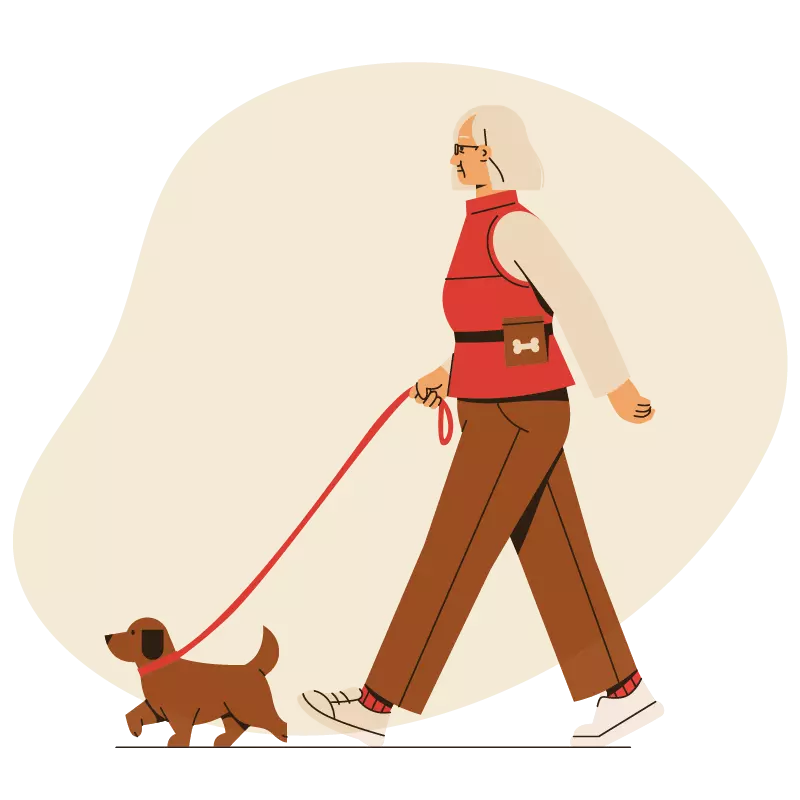 Walking is one of the most common exercises members mention, and it shows up in many forms. Some people walk outside when the weather allows. Others prefer a treadmill. Many use supports like a walker, a cane, or crutches to feel safer.
One member shared, “I try to walk every day with my walker for 30 to 45 minutes.”
Another described pacing and caution: “Stretches and short walks on my crutches to get my system going, but not too far, in case I lose my balance.”
One member keeps it flexible with the weather: “I walk as much as I can. If it is too cold out, I walk on a treadmill.”
If walking is your go-to, you’re not alone. A key theme from members is to listen to your body and adjust based on symptoms, energy, and safety.
For people who worry about falls, seated machines can offer a sense of control. Members often mention stationary bikes and other equipment that lets them do cardio without worrying as much about balance.
One member said, “I like the stationary bike. I can exercise when I have energy and not worry about falling.”
Another shared a favorite machine called NuStep, a seated cross-trainer with back support used for low-impact cardio: “I work out every day on my NuStep. It’s a great machine.”
 Some members have mixed feelings about balance-heavy cardio equipment. One wrote, “I used to do the elliptical, but now I’m afraid, as my balance suddenly goes really wonky.”
The “best” machine is the one that feels safe for you. If something starts to feel risky, it’s OK to switch to an option that feels more stable.
Strength training doesn’t have to mean heavy lifting. Many members talk about light weights, resistance bands, and physical therapy exercises that help maintain function and support the legs, hips, and core.
One member shared, “A little bit of weight helps for the legs. Just a little bit.”
Another described a common combo: “Walking on a treadmill, stretching, and light weights.”
And one member outlined an adaptable seated routine: “Mostly stretching exercises with bands sitting in a chair, swim aerobics, and chair yoga.”
Strength and stretching work can be especially helpful when your goal is stability for everyday tasks — transfers, standing up safely, or feeling more secure on your feet.
Current research suggests that getting at least 150 minutes of physical activity per week — or doing two sessions of aerobic training (10 to 30 minutes) plus two sessions of resistance training weekly — can reduce fatigue and improve quality of life for people with MS. But if exercise feels intimidating right now, you’re not failing. MS can change what movement looks like from one season to the next and sometimes from one day to the next. A good starting point is simply choosing something that feels safe and realistic.
Talk with your healthcare provider before starting a new exercise routine, especially if you’ve had falls, new symptoms, or major mobility changes. A physical therapist can be a huge help in figuring out what’s safe, building a plan that fits your body, and recommending modifications or equipment.
On MyMSTeam, people share their experiences with MS, get advice, and find support from others who understand.
What’s your favorite type of exercise? Let others know in the comments below.
Get updates directly to your inbox.




 Continue with Facebook
Continue with Email
Continue with Facebook
Continue with Email
Continue with Facebook
Continue with Email
Continue with Facebook
Continue with Email
Become a member to get even more





 Join
Join




 Your Privacy Choices

This is a member-feature!
Sign up for free to view article comments.
Rebounder with the handle. Fitness experts say that, just 5-10 minutes on the rebounder is the equivalent to a 30 minute run.
We'd love to hear from you! Please share your name and email to post and read comments.
You'll also get the latest articles directly to your inbox.